Why this matters in practice
As agents produce more code, engineering leverage shifts toward decomposition, context, review, and judgment about what should ship.
Chapters
- 00:00Intro
- 01:16What engineering looked like at Microsoft before ChatGPT
- 03:08The first AI tools inside big tech (and how gated they were)
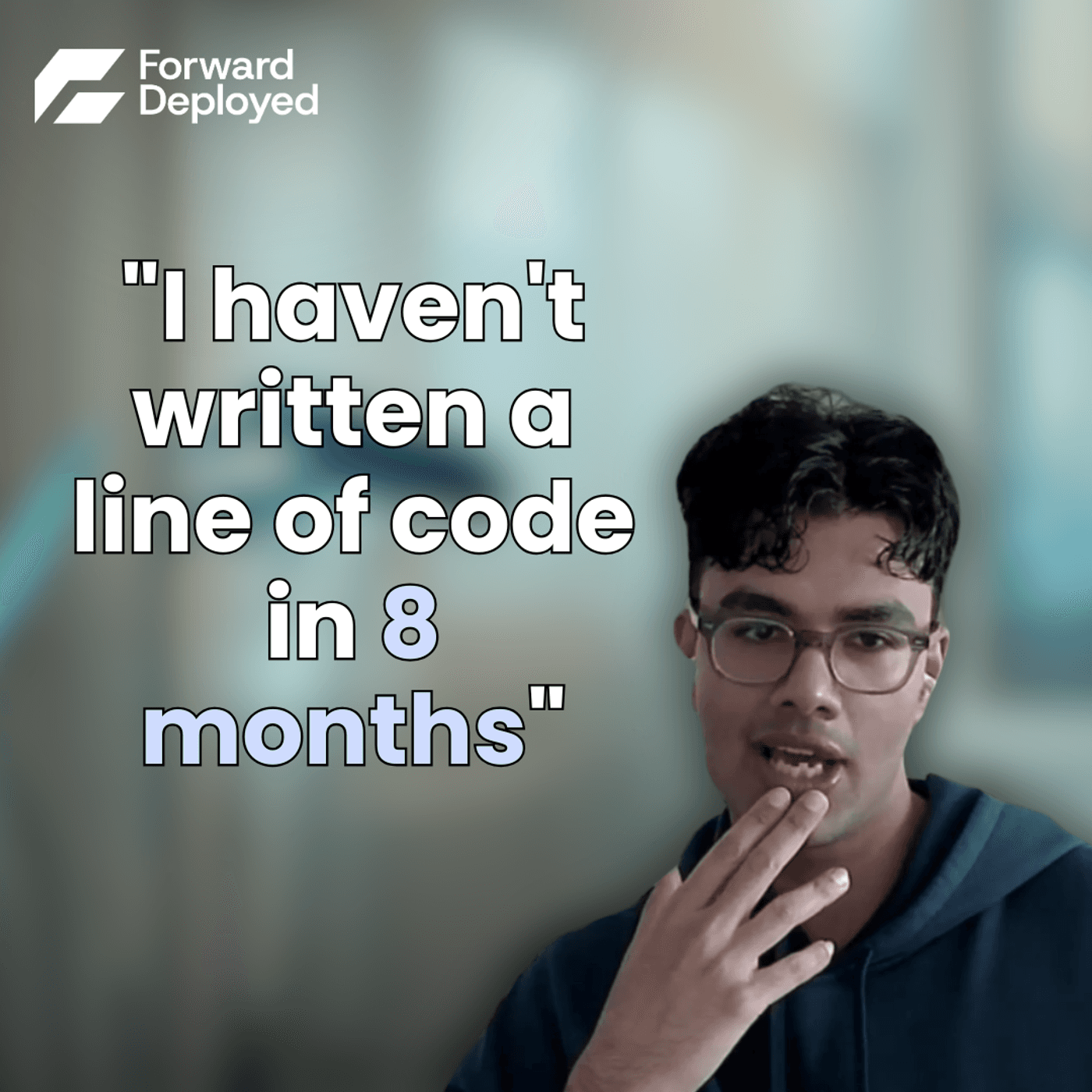
- 05:17Shipping 30,000 lines a week, none of it written by hand
- 06:08Why teams are flattening
- 08:26Why managers need to get back to writing code
- 11:51How the management layer actually changes
- 14:07What happens to PMs and designers
- 16:38Why everyone becomes a builder now
- 20:07How to actually learn agentic engineering
- 22:42Finding new tools on X before anyone else
- 23:54AI adoption is showing up in performance reviews
- 25:45Building a culture that shares tools daily
- 27:40The AI productivity paradox, explained
- 29:35Interviewing with agents instead of against them
- 31:00Why LeetCode is dead and fundamentals aren't
- 34:11Who wins and who loses from here
- 35:36Codex vs Claude Code: what he actually uses
- 36:06What harness engineering really means
- 38:21Evals and benchmarks that matter
- 39:59Desktop apps, Devin, and running agents in parallel
- 43:30Remote environments and working in monorepos
- 44:34Skills, plugins, and hooks
- 47:57Parallel worktrees and staying focused
- 50:42Agent teams vs subagents
- 53:06The Finch mission and wrap up
Related topics
More episodes
- Evals - Beyond the Vibe Check | LangChain, Langfuse, Mercor, CoreWeave & GalileoLangChain, Langfuse, Mercor, CoreWeave and Galileo
- The State of Computer Use Agents | Anthropic, Browser Use & KERNELAnthropic, Browser Use and KERNEL
- Spencer Whitman - Gray Swan AI's $200M Plan to Secure AI SystemsSpencer Whitman — Gray Swan AI