What this episode covers
An operator-level look at agent deployment in cybersecurity, including workflow design, ownership, evaluation, and the organizational patterns behind production AI.
Why this matters in practice
Teams get value from agents when they treat them as owned operational systems with evaluation and feedback—not as isolated demos.
Chapters
- 00:00Intro
- 00:58Who is Shrivu and what is Abnormal AI
- 01:39Why cybersecurity and machine learning
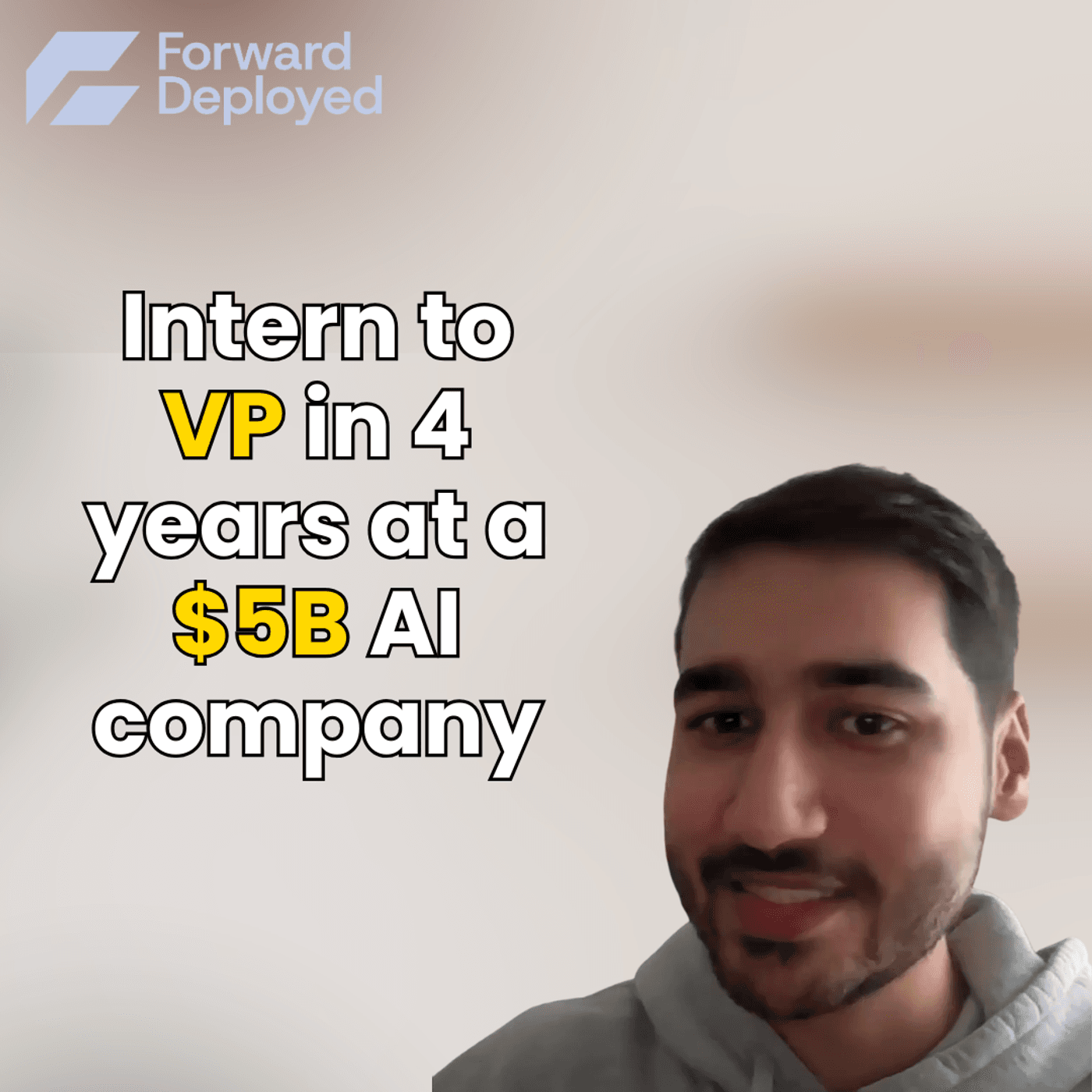
- 03:13Intern to VP in 4 years — how it actually happened
- 05:44What Abnormal AI does and how it started
- 09:10The vendor fraud attack so convincing the victim didn't believe it was real
- 10:45What GPT-3 changed for cybersecurity
- 13:01Using synthetic data to train models — and how they measured it
- 16:49How a 1,500 person company actually adopts AI internally
- 19:50How engineering, PM, and platform roles are changing right now
- 23:17The biggest AI misconception Shrivu keeps hearing
- 27:35What Shrivu's day actually looks like as VP of AI Strategy
- 28:53Engineers stopped writing code. Here's what they do instead.
- 32:28Why product teams are getting much smaller
- 34:31Why context engineering beats prompt engineering
- 36:31Spec-driven development and how Nora Tech Plan works
- 39:14How to scale context engineering across an entire eng org
- 40:30What the manager role looks like in the agent era
- 42:17What skills actually matter for managers now
- 43:29AI is making orgs flatter. Is that a good thing?
- 45:08How the C-suite is getting closer to the work
- 46:41What agents actually are and how tool calling works
- 48:05How agents improved Abnormal's detection pipeline
- 50:56The AI phishing coach — how it works and why it matters
- 53:30The internal AI data analyst agent
- 56:13Dozens of internal agents — the ones Shrivu is most proud of
- 57:15Where agents fail (it's usually not the model)
- 58:52What Shrivu would tell a CEO just starting with agents
- 01:00:19Sending sensitive security data to LLMs — how they handle it
- 01:01:47What becoming AI native actually means in practice
- 01:03:37What most people still get wrong about AI in the enterprise
- 01:04:31How to write documents with AI without it sounding like AI
- 01:06:40Claude Code vs Codex — which one and why
- 01:09:27How Shrivu stays ahead and his take on MCPs
- 01:11:33How the team uses Claude Code skills
- 01:12:47Using hooks for shift-left validation in large codebases
- 01:13:42How to manage context in a massive monorepo
- 01:14:56Building tool-agnostic rules across Claude, Cursor, and Code Rabbit
- 01:16:55Why infra teams are becoming agent harness teams
- 01:17:57Wrap up
Key takeaways
- How cybersecurity changes the AI agent bar
- Agent ownership and operating rhythm
- Evaluating AI workflows in production
- What founders should copy from Abnormal AI
The companies getting value from agents are treating them as operational systems, not demos.
Related topics
More episodes
- Evals - Beyond the Vibe Check | LangChain, Langfuse, Mercor, CoreWeave & GalileoLangChain, Langfuse, Mercor, CoreWeave and Galileo
- The State of Computer Use Agents | Anthropic, Browser Use & KERNELAnthropic, Browser Use and KERNEL
- Spencer Whitman - Gray Swan AI's $200M Plan to Secure AI SystemsSpencer Whitman — Gray Swan AI